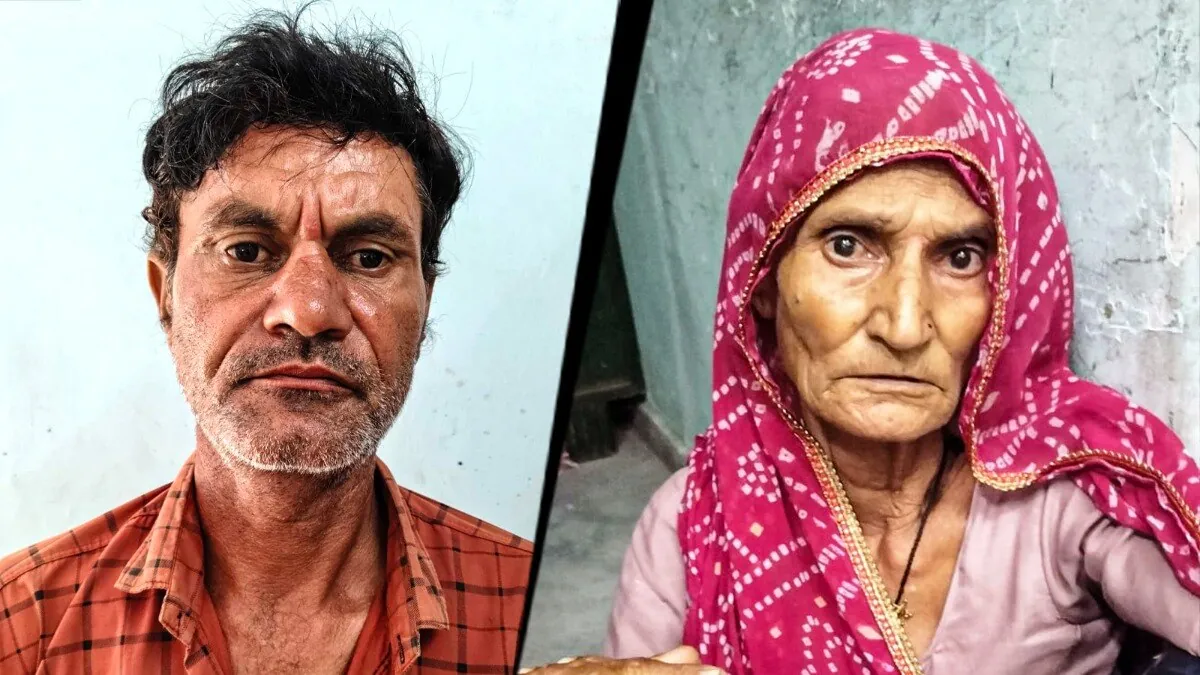
2026.9.7 Man Kills Father-In-Law With Axe Over Suspicion About Wife In Madhya Pradesh
Superintendent of Police Anand Kaladgi said that the accused, Ramprasad Raikwar, suspected his wife Rashmi, and this led to frequent disputes and fights between the two.
2026.9.7 Delhi High Court Calls For High-Level Probe Into Satya Niketan Building Collapse That Killed 7
The Delhi High Court said hostel facilities for students who come from outside the city to study are in a pathetic condition
2026.9.7 24,475 Illegal Myanmar immigrants detected in Manipur; 14,992 pushed back
Meitei and Naga organisations are demanding that the implementation of NRC precede the census exercise.
2026.9.7 Twisha Sharma Case: AIIMS Bhopal, Delhi Medical Reports Differ On Body Injuries; Questions Raised Over CBI Findings
Two post-mortem reports have raised questions in Twisha Sharma case, with CBI relying heavily on AIIMS Delhi report in its final findings, reports Syed Abid.
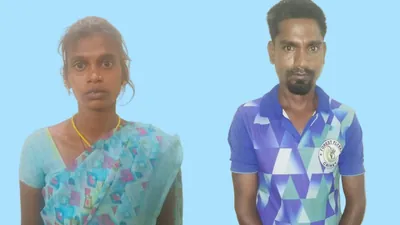
Six days after the crime police arrested the duo for the crime that has sent shockwaves across Jamuna Marathur area.
Tirupattur: Police have arrested a woman in the Jamuna Marathur area for killing her two children who objected to her extramarital affair.
According to police they also arrested the woman’s boyfriend for pushing the children into a well leading to their death. Earlier on August 30, in the Pettur area under the Alangayam Panchayat, local residents informed the Alangayam police that two children were found dead in a well on an agricultural land.
After receiving the information, the police rushed to the scene and recovered the bodies of the children and sent them to the Vellore Government Medical College Hospital for an autopsy. After the incident, a case was registered and an investigation was set into motion.
Six days after the incident, the police arrested Sivagami (25), a resident of Jamuna Marathur, Tiruvannamalai district. According to police, Sivagami was having an extramarital affair with Raja, a driver from Athipattu area, who is already married and has three children.
The duo felt that Sivagami’s children are an obstacle to their relationship and planed to kill them. Sensing trouble if they had committed the crime in the area where the family lived, the duo decided to kill the children near Alangayam in Tirupattur district.
Police said that Sivagami is married to Chettu and the couple had two sons, Premkumar (5) and Pratap (3). Chettu was earlier arrested in Andhra Pradesh in a “redwood case” a year ago and is currently lodged in jail.
The duo allegedly fled from the scene after committing the crime. The two accused have been sent to judicial custody.
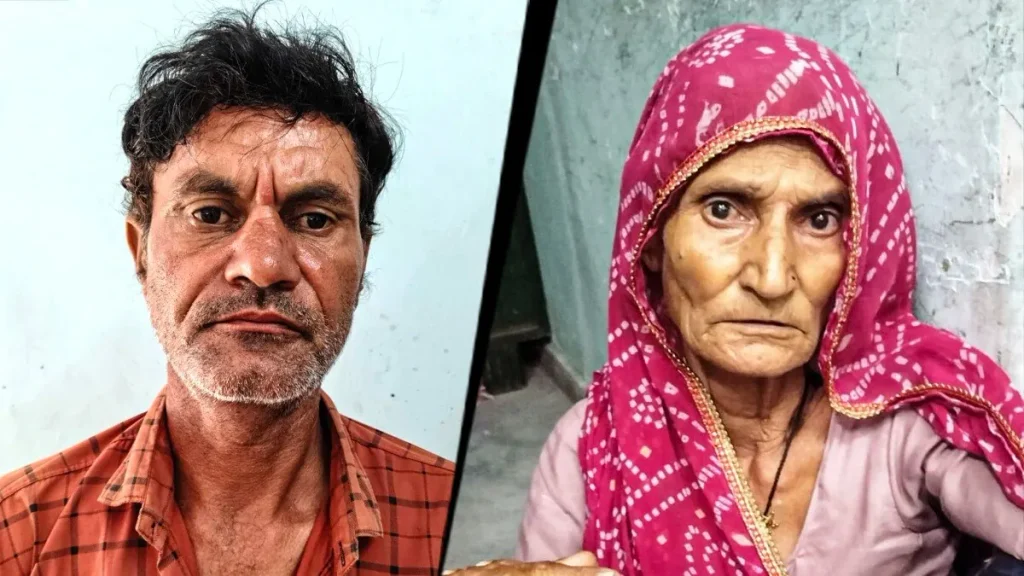
2026.8.21 Out on bail for wife’s murder, Jaipur man hacks father to death
A Jaipur man killed his 75-year-old father with an axe after a family dispute, hid the body for nearly a day and was caught while trying to transport it in a taxi.
A man killed his 75-year-old father with an axe in Jaipur, around four months after the family members were released from jail on bail in a case involving the murder of their daughter-in-law.
The accused, Sawai Ram Jat, attacked his father Jagdish with an axe following a family dispute. Police arrested Sawai Ram on charges of murder and also arrested his mother, Sajni, who was present at the spot.
DCP Rajarshi Raj Verma said Jagdish lived with his wife and son. The incident took place on Thursday morning.
According to police, Sawai Ram said his father frequently started arguments after consuming alcohol. The two had an argument on the night of August 18. The dispute escalated, following which Sawai Ram attacked his father with an axe, killing him.
The accused then hid the body inside the house for nearly a day. When he could not find a place to dispose of it, he planned to take the body to Todaraisingh and cremate it there.
On Thursday morning, Sawai Ram called a taxi and told the driver that his father had died. However, the driver noticed a foul smell coming from the body and became suspicious. He alerted the police.
Police reached the spot and arrested Sawai Ram before he could take the body to a nearby vacant plot. During questioning, police uncovered the details of the murder.
The investigation also revealed that the family had previously faced a murder case. In 2024, Jagdish, his wife and both their sons were accused of murdering their daughter-in-law. All four family members were jailed in that case.
Jagdish’s elder son remains in jail. Jagdish, his wife and their younger son Sawai Ram were released on bail around four months ago.
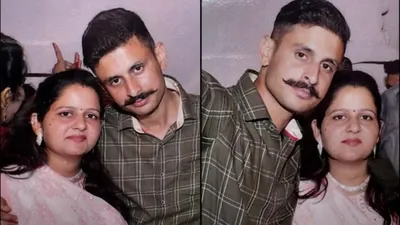
The woman, identified as Rama, lived with her husband Amarjit Singh. The couple had been married for around 12 years and have two children, a son and a daughter.
Punjab: A BSF jawan allegedly killed his wife in Punjab’s Hoshiarpur district after assaulting her at their home while on leave, and later tried to make it appear that she had died after falling from the roof.
The woman, identified as Rama, lived with her husband Amarjit Singh. The couple had been married for around 12 years and have two children, a son and a daughter.
According to the complaint filed by Rama’s family, Singh returned home on leave on the night of August 13. He allegedly assaulted Rama, who later died from her injuries.
Her family was informed around 4:00 am on August 14 that she had fallen from the roof and had been taken to the hospital for treatment. However, when they reached the hospital, they found that Rama had died.
Family members told police they noticed several injury marks on her body and suspected she had been beaten before her death. They alleged that the roof-fall claim was made to divert suspicion.
Rama’s father, Ram Chand, also alleged that his daughter had been facing harassment and physical assault from her husband since her marriage.
Police have registered a case against Amarjit Singh, his uncle Kuldeep Kuki and aunt Sonia. Singh has been arrested, while the other two accused remain on the run.
Station House Officer Harprem Singh said further investigation is underway. He further said that after the post-mortem examination, Rama’s body was handed over to her family. Her last rites will be performed in her native village.
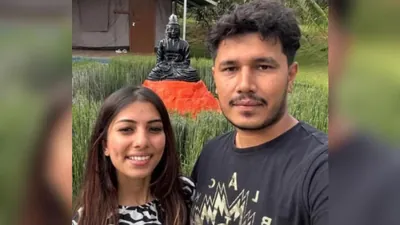
The couple, identified as Sumant Jain, a civil engineer, and his wife Padmavathi, a software engineer, were involved in an argument that reportedly turned violent.
Bengaluru: An argument between a husband and wife in Bengaluru on Wednesday night spiralled into a sequence of events that left both of them dead by morning.
The couple, identified as Sumant Jain, a civil engineer, and his wife Padmavathi, a software engineer, were involved in an argument that reportedly turned violent.
During the dispute, Sumant allegedly hit Padmavathi’s face and then suffocated her with a pillow. When he tried to wake her, he realised she had stopped breathing.
Fearing the consequences, Sumant allegedly called his mother in a state of panic and told her what had happened, before sending her a message.
When his mother saw the message, she immediately contacted the landlord. When the house was opened, Sumant was found hanging from a ceiling fan in the hall. Padmavathi was also found dead.
The Rajagopal Nagar Police were informed and reached the spot shortly after. A case has been registered, and an investigation into the circumstances surrounding both deaths is underway.
The exact cause of Padmavathi’s death and the precise sequence of events are yet to be established.
2026.8.15 NCB repatriates fugitive drug kingpin Virender Singh Basoya from UAE
According to the Home Ministry, he coordinated the network from abroad and was involved in arranging the movement of Mephedrone consignments from India to overseas destinations.
NEW DELHI: The Narcotics Control Bureau (NCB) has secured the repatriation of alleged drug kingpin Virender Singh Basoya from the United Arab Emirates, Union Home Minister Amit Shah said on Friday, describing the development as another milestone in the government’s “zero tolerance” policy against narcotics.
In a post on X, Shah said the Modi government was “relentlessly tracking down” drug traffickers hiding abroad and dismantling their networks. He said Basoya’s return demonstrated that fugitives could not evade Indian law by operating from foreign jurisdictions.
2026.8.15 Jharkhand Activist Stopped From Joining Tiranga Yatra, Dragged Into Hospital
Jharkhand police officials were seen in video dragging Devendra Nath Mahto into his hospital room as he struggled to leave
Ranchi: Dramatic scenes unfolded at a Ranchi hospital as Jharkhand Loktantrik Krantikari Morcha (JLKM) leader Devendra Nath Mahto tried to leave the premises to participate in a Tiranga Yatra taken out by Jharkhand student protesters on the occasion of Independence Day.
In a video from Ranchi’s Sadar Hospital, Mahto – with a Tricolour in his hand, a Tricolour scarf around his neck, and a Tricolour bandana on his forehead – was seen engaged in a tussle with police officials who stopped him from going out.
Cops were seen dragging Mahto into his hospital room as he struggled to leave. Mahto was allegedly stopped by police from participating in a Tiranga Yatra at Jaipal Singh Munda Stadium, which is the epicentre of protests by job aspirants.
2026.8.15 CJP’s Instagram account briefly taken down on Independence Day, later restored
The CJP, which recently led a students’ protest at Delhi’s Jantar Mantar, said it had successfully recovered the account.
The official Instagram account of the Cockroach Janta Party (CJP) was taken down briefly on Saturday morning but was restored later in the day, with the outfit alleging that the move was an attempt to silence its voice on Independence Day.
The CJP, which recently led a students’ protest at Delhi’s Jantar Mantar, said it had successfully recovered the account.
“What a shame that those who oppose CJP chose India’s Independence Day to try to muzzle our voice. We will not be intimidated by such cowardly acts!” the outfit said in a post.
CJP founder Abhijeet Dipke also reacted to the takedown, saying the party’s official Instagram handle had been removed and calling those behind the move “bloody cowards”.
2026.8.14 Punjab youth’s video highlights dangers of illegal ‘donkey’ route to US
The visibly distressed youth claimed that he reached Mexico through the ‘donkey’ route and was attacked after attempting to flee.
CHANDIGARH: A Punjab youth’s emotional video alleging assault after he travelled to Mexico through the illegal ‘donkey’ route to reach the US has gone viral on social media, highlighting the risks faced by Indians using illegal migration routes.
In the 33-second video, reportedly uploaded on August 13 with the caption “Disgusting treatment of an Indian Sikh in Mexico,” the youth, whose identity and exact location have not been disclosed, is seen pleading with folded hands and urging people not to travel to Mexico through the illegal route.
The visibly distressed youth claimed that he reached Mexico through the ‘donkey’ route and was attacked after attempting to flee. He alleged that he was beaten severely and is now unable to walk properly. He also warned people against falling into the trap of agents who promise safe passage to foreign countries through illegal routes.
Similar accounts have emerged from other youths who travelled through the route. In December last year, a youth from Haryana shared 13 videos documenting his alleged journey, exploitation and torture by human traffickers, commonly known as ‘donkers’.
Yogesh, a resident of Umri village in Kurukshetra district, alleged that he was cheated, threatened and physically tortured despite paying Rs 50 lakh to agents for illegal entry into the US. His videos showed migrants walking through dense jungles with injured feet, sleeping on roadsides and being packed into cramped containers.
The ‘donkey’ route to the US typically involves agents charging Rs 30 lakh to Rs 40 lakh by promising employment and asylum overseas. Migrants are often flown to Latin American countries such as Bolivia and Brazil before travelling north by road, boat or on foot through several countries with the help of smugglers.
One of the most dangerous stretches is the Darién Gap, a dense and roadless jungle between Colombia and Panama. Migrants crossing the region face difficult terrain, disease and other dangers while remaining dependent on criminal groups controlling the route.
Those who survive the journey continue through Central America to Mexico, from where they are guided towards the US border. Some are advised to surrender to US Customs and Border Protection agents to seek asylum.
2026.7.30 Honeymoon murder case: Accused Sonam Raghuvanshi surrenders before court after SC cancels bail
The accused, a resident of Indore in Madhya Pradesh, was remanded to judicial custody on Tuesday, East Khasi Hills district Superintendent of Police Vivek Syiem said.
Following the Supreme Court’s cancellation of her bail, Sonam Raghuvanshi surrendered before a trial court in Shillong, in connection with the alleged murder of her husband Raja Raghuvanshi during their honeymoon in 2025.
The accused, a resident of Indore in Madhya Pradesh, was remanded to judicial custody on Tuesday, East Khasi Hills district Superintendent of Police Vivek Syiem said.
The Supreme Court on July 23 set aside the bail granted to Sonam and directed her to surrender within three weeks.
She was arrested in June last year in connection with the killing of her businessman husband Raja Raghuvanshi.
The couple had gone missing while vacationing in Meghalaya’s Sohra area on May 23 last year. Subsequently, Raja’s body was found in a deep gorge on June 2, 2025.
Police have alleged that Sonam conspired with her alleged lover, Raj Kushwaha, and hired contract killers to murder Raja during the honeymoon for financial gain.
On June 29, the Meghalaya High Court upheld a trial court order granting bail to the accused.
The high court dismissed a petition filed by the state seeking cancellation of the bail granted by the trial court on April 27.
While holding that continued enlargement at this stage might hinder the ongoing trial, a bench of Supreme Court Justices M M Sundresh and P B Varale allowed the plea filed by the Meghalaya government challenging the bail granted to Sonam.
The apex court said that in the event of the trial not proceeding and concluding within six months, Sonam is at liberty to file a fresh bail application.
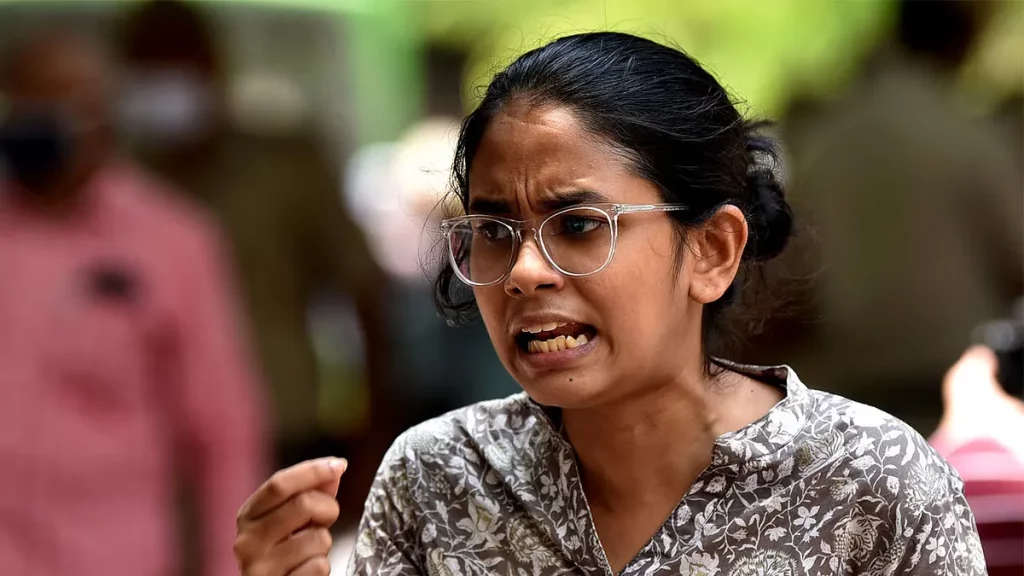
The court had stayed the NBWs issued against her after Ghosh’s counsel submitted that she could not appear on the last date of hearing due to “unavoidable circumstances
Delhi Court cancelled the non-bailable warrants issued against SFI joint secretary Aishe Ghosh in a 2021 case on Thursday.
Judicial Magistrate Vijayshree Rathore cancelled the non-bailable warrants (NBWs) after Ghosh appeared in the court.
A detailed order is awaited.
Earlier on Wednesday, the court had stayed the NBWs issued against her after Ghosh’s counsel submitted that she could not appear on the last date of hearing due to “unavoidable circumstances”.
The case pertains to an FIR against Ghosh registered at Barakhamba Road police station in 2021 under the erstwhile Indian Penal Code (IPC) sections 188 (disobeying order issued by public servant), 447 (criminal trespass) and 34 (common intention).
The matter has been posted for further proceedings on November 21.
Earlier, the Communist Party of India-Marxist (CPM) alleged that Delhi Police had “forcibly” entered its headquarters AKG Bhavan in New Delhi to arrest Students’ Federation of India (SFI) leader Aishe Ghosh in connection with a five-year-old case.
The party said the police team arrived at its office in a private vehicle and that one of the personnel was not in uniform. The personnel left without taking any action after Rajya Sabha MP John Brittas questioned them.
Defending the action of Delhi Police, JP Nadda said Delhi Police had acted in accordance with the rules. He also said that student activists should be prepared for such situations.x1200
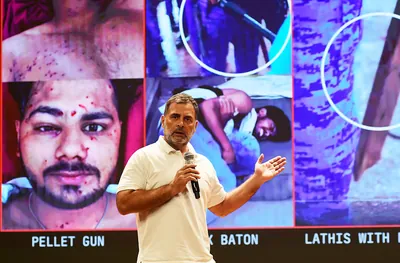
Gandhi also said that Home Minister Amit Shah’s absence from Parliament “reeks of guilt”.
Congress leader Rahul Gandhi on Thursday said students deserve justice and asserted that an independent Supreme Court-monitored high-powered committee must be constituted to probe the “brutalities” against them.
The Leader of Opposition in the Lok Sabha also shared on X a video clip of police lathi-charging students.
“Students deserve justice. An independent SC-monitored high-powered committee must be constituted to probe brutalities against our students,” Gandhi said on X, referring to the crackdown on agitators by security forces during the July 20 Cockroach Janta Party-led protest march to Parliament and on student demonstrators in other parts of the country.
Gandhi also said that Home Minister Amit Shah’s absence from Parliament “reeks of guilt”. He asked why Shah is “so scared” of coming to Parliament and explaining the brutal violence against students. “It reeks of guilt,” he added.
Gandhi also on Wednesday demanded the sacking of Union Home Minister Amit Shah and a Supreme Court-monitored probe into what he claimed was a “brutal attack” on protesting students and the use of pellet guns on them.
The former Congress president alleged that by ordering the “brutalities” on students, Shah was culpable and hence should be removed.
He said that in case Shah did not know about the use of pellet guns on protesters, he was incompetent.
The BJP hit back, accusing Gandhi of telling a “bundle of lies and demanded he apologise for “misusing” the House by making “baseless” allegations.
Gandhi launched an attack on Shah in Lok Sabha while speaking on a debate on the bill seeking to make stricter punishment for paper leaks.
He alleged that Shah was behind police excesses and firing against student protesters, triggering a massive uproar from the treasury benches inside and outside Parliament.
Many of Gandhi’s remarks made in Lok Sabha were later expunged by the Speaker, but the Congress leader repeated his charges outside Parliament.

A neighbour dispute in Shastri Nagar over the alleged killing of a dog escalated into a heated confrontation, with a viral video showing a man allegedly threatening others, flaunting his wealth, and claiming he could influence the police. Both parties have filed FIRs. Police are verifying the video’s authenticity, and Kavinagar ACP Siddharth Gautam said the investigation is ongoing
A neighbourhood dispute in Shastri Nagar has drawn widespread attention after a video of the incident surfaced on social media. What reportedly began as a disagreement over the death of a dog soon escalated into a tense confrontation between two neighbouring families, resulting in a heated exchange, public commotion, and police intervention.
The viral clip captures a young man allegedly using abusive language while issuing threats to the opposing party. During the confrontation, he is also heard claiming that he owns a house worth ₹7 crore and making remarks suggesting that he has the financial influence to “buy off” the police. His statements and aggressive behaviour have triggered criticism online, with many questioning the growing trend of intimidation during personal disputes.
Family members join the altercation
The incident did not remain limited to the two individuals involved. According to the video, several women believed to be members of the young man’s family also became involved in the argument, openly supporting him during the confrontation.
One of the women is seen approaching the individual recording the incident and attempting to stop the video from being filmed. As tempers flared, the confrontation continued for an extended period, attracting local residents and creating a crowd in the area.
Viral video sparks public debate
After the footage spread across multiple social media platforms, it quickly became a subject of public discussion. Many users have expressed concern over the use of abusive language, open threats, and the apparent display of financial influence during what initially appeared to be a local neighbourhood dispute.
The incident has reignited conversations about rising instances of aggression, bullying, and misuse of social status in everyday conflicts. Several social media users have also called for a fair and impartial investigation into the matter.
Police investigating the incident
Police officials have confirmed that the authenticity of the viral video is currently being verified as part of the investigation. Authorities have stated that both parties have lodged First Information Reports (FIRs), and the matter remains under investigation.
Kavinagar ACP Siddharth Gautam said that legal action will be taken after all facts are examined and the investigation is completed. Officials have not yet released further details regarding the circumstances surrounding the reported death of the dog or the allegations made in the viral video.
Investigation continues
As the investigation progresses, police are expected to examine the viral footage, record statements from those involved, and review all available evidence before determining the next course of action. Until then, officials have urged the public not to draw conclusions based solely on clips circulating online, as the complete sequence of events is still being examined.
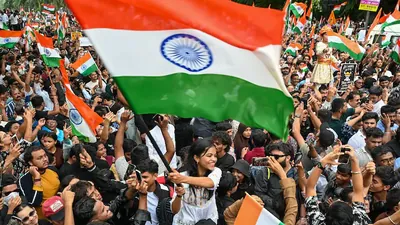
Many believe Gen Zers crossed the line by abusing the prime minister at the CJP protest at Delhi and Mumbai. Actor-MP Kangana Ranaut called them the Gutter Generation. The Gen Z isn’t that. Do not blame the victim for what the virus does.
It is a weird juxtaposition. Actor-MP Kangana Ranaut and philosopher Friedrich Nietzsche. But the situation, many believe, is weirder. Gen Zers, privileged and educated, using the choicest of expletives for the prime minister of the country. They crossed the line, say many. But the reaction to that can’t be a knee-jerk one — blame an entire generation and move on.
The use of sexist expletives by protesters at the Cockroach Janta Party’s (CJP’s) protest at Jantar Mantar in Delhi and Mumbai to attack the prime minister on camera will be difficult for anyone to try and defend.
The youngsters, for once, forgot that the prime minister is the head of the government elected democratically by millions across the country. Democracy gives you the right to criticise him, but decency expects you to refrain from abusing him. That too, in public.
Several people I spoke to in the last couple of days weren’t shocked by the mortar-mouthed Gen Zers. They were either following Instagram very closely or working amid them in cities. I plan to write soon on how we reached this point. But let us, for now, return to Ms Ranaut and Mr Nietzsche.
Kangana Ranaut’s school of politics is based on not trying to be politically correct. The BJP MP from Himachal Pradesh’s Mandi vociferously expresses what she believes in.
On Monday (July 27), Kangana called Gen Z “generation gutter” and their videos from the CJP protests “puke-inducing”. In a post on Instagram, she described videos of protestors at Jantar Mantar as a display of “filth, garbage and ugliness”.
“Never in my life have I seen so much ugliness in one place, these reels from Gen Z protests are puke-inducing, the way they speak and the kind of language they are using, never in my life have I seen everything in each and every frame so jarring and so crass all at ones, ewwww who is birthing and raising them,” Ranaut said.
Sociologist Kumool Abbi explained that cuss words against authority are often done to create shock value, to provoke, to show aggression and be noticed.
Abbi, a professor of sociology at Chandigarh’s Panjab University, explained that young women use cuss words “to express group bonding, seek validation and acceptance and to be thought as cool in their peer group”, adding, “The disrespectful words against the prime minister must be condemned.”
Gen Z, within their groups on WhatsApp and Instagram, use expletives as part of their lingo. The content they consume, including the stand-up shows, have normalised the use of cuss words. However, all these, till now, have been in a close setting. Jantar Mantar and Shivaji Park are public spaces. The cameras captured the Reels and spread them across the country.
Kangana’s “who is birthing and raising them [Gen Zers]” is the billion-dollar question. Biologically, we know who. But non-biologically, it could very well be the mobile vulgus.
In the preface to Nietzsche’s The Antichrist, American essayist HL Mencken writes, “… The mob is the most ruthless of tyrants”
The mob is a tyrant that gives the chills even to tyrants. Students of history will remember the storming of the Bastille. A mob is capable of turning individuals into tyrants, at that moment.
That’s why it is commonly said that “a mob has many heads, but no brain.”
Not all of those young protesters who uttered those expletives did so out of hatred for the PM. They did that for shock value, exactly like the stand-up comics they follow do. Most of those women, individually, wouldn’t have hurled those abuses at the PM. They did so at that moment because of a mind virus.
The cheers that the first expletive received was the point where the virus mutated. This virus doesn’t spread through contact but through air — sound waves, to be specific.
Like their favourite stand-up comedian, the young protesters were attempting to shock. And, they succeeded.
Instagram, which has popularised cute cat videos, has also nurtured a copycat syndrome. One baddie abusing and going viral prompts another baddie to try and better her. The race is real. One Reel at a time, at 2X speed.
The crowd gathered at the protests was eclectic. There were unemployed youths and workers, students and artists. There were cisgenders, transgenders and queers. But they weren’t representative of the entire Gen Z of India. To be honest, it was never a Gen Z protest. Neither those on the stage leading the protest, nor most of those participating were Gen Z. The activist who starved himself was a boomer. It was only after the brutal police action on July 20 in Delhi that the number of protesters, including Gen Zers, swelled.
A gathering of people from such diverse backgrounds is prone to mobile vulgus. It’s a Latin term that is used to describe a restless (mobile) and easily excited group of people (vulgus) whose opinions and emotions change fast.
Our in-house columnist, Kamlesh Singh, in an Opinion piece, explained India’s mobile vulgus problem.
“There is something vulgar about a crowd, especially when it moves, physically or emotionally. The human equivalent of a flash flood, only instead of water, it carries questionable judgement and a distinct lack of personal space and agency,” he wrote in a piece in February 2025.
The mobile vulgus has led to stampedes at railway stations and at Kumbh Mela. The mobile vulgus has resulted in lynching and mob justice. In a populous country like India, the immunity to resist a mobile vulgus infection is very low.
But we also need to remember that India doesn’t live in a single age at a given point in time, and the people don’t conform to a single age or generation. You will see lines of wisdom on the forehead of an adolescent from Banka, while you will witness a 60-year-old kidult at Bandra Bandstand.
So, it would be unfair to agree with Kangana and call India’s Gen Z “generation gutter”. The few bad-mouthing young women weren’t representative of youngsters from across India. Across India, millions of Gen Zers are studying to ace exams, millions of others are sprinting, and playing musical instruments and following their passion. While the CJP protest was on at Jantar Mantar, around 20 lakh students appeared for the NEET-UG re-exam on June 21.
They are the silent Gen Z majority that Kangana has discounted and the millennial cockroaches at Jantar Mantar never bothered to highlight.
The expletive-hurling Gen Z, a small section of the entire generation, was doing at the NEET protests what the generation is known for — challenging authority. One shouldn’t blame them for the mind virus and poor parenting that made them hurl the expletives on camera. The internet doesn’t forget. And that the videos will be sitting out there for the rest of their lives is punishment enough for them.
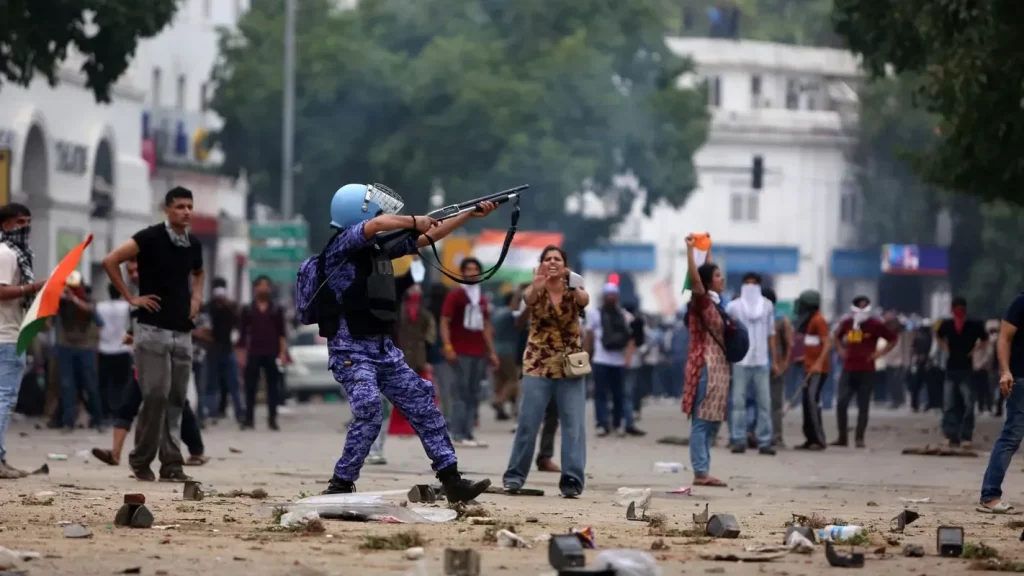
The complainant moved the Delhi High Court, alleging the Parliament Street police station did not issue an acknowledgement of the receipt of the complaint.
The Delhi Police said it could not provide the acknowledgement of a complaint that accused officers of allegedly using “excessive force” against protesters at Jantar Mantar on July 20 owing to a “temporary technical glitch”.
The submission was made by the government’s counsel on a plea by Anand Legal Aid Forum Trust before the Delhi High Court on Wednesday.
According to the Trust, it had lodged a written complaint, dated July 22, at Parliament Street police station on July 23.
In its plea, the Trust said its complaint was against Delhi Police Commissioner Anurag Kumar; Joint Commissioner Madhur Verma; Additional DCP Sandeep Lamba; CRPF/RAF Assistant Commandant Sonia Sehrawat; SHO Navin Rathi; three other police personnel, and hundreds of unidentified Delhi Police, RAF and CRPF personnel.
It said its complaint disclosed cognisable offences “for the commission of attempt to murder; use/firing from pellet guns; use of iron rod; brutal, unprovoked, and illegal baton/lathi-charge; electric shocked (using) police baton… on unarmed peaceful protesters” on July 20.
The Trust, through its lawyer Abhijit Anand, told Justice Prateek Jalan that he was refused an acknowledgement of the receipt of the complaint by the on-duty officer and station house officer of Parliament Street.
Justice Jalan asked the state’s counsel: “No complaints on that day were acknowledged (at the Parliament Street police station)?”
The state submitted that owing to a “temporary technical glitch”, the system was unable to generate acknowledgment of receipt of the complaint, and assured the court that it will be provided now.
Justice Jalan, addressing the State, remarked, “Let’s see to it that the systems are working.”
Disposing of the plea, Justice Jalan recorded in his order, “… counsel for the State submits that the acknowledgement was not given on the date due to a temporary technical glitch and acknowledgment, along with DD number, will be generated and given during the course of the day.”
When a complaint disclosing cognisable offences is filed at a police station, the complainant must be provided with a stamped acknowledgement.
While the Trust had sought criminal prosecution of the Parliament Street police station officers for refusing to lodge an FIR based on the complaint, and for failing to provide the stamped acknowledgement, it did not emphasise on the request during the hearing. x1200
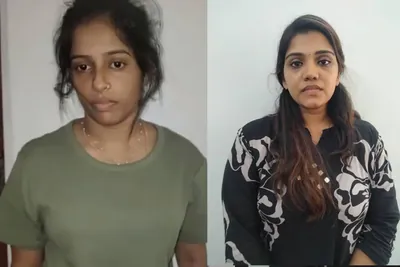
കോഴിക്കോട്: എംഡിഎംഎ കേസിൽ അറസ്റ്റിലായ ബി.ആർ.സി.യിലെ അധ്യാപകരായ കാവ്യ, കീർത്തന, നീഷ്മ എന്നിവർ വർഷങ്ങളായി സുഹൃത്തുക്കളാണെന്ന് പോലീസ് പറഞ്ഞു. ഇവർ ഒന്നിച്ചാണ് എംഡിഎംഎ ഉപയോഗിക്കുകയും ലഹരിമാഫിയക്കുവേണ്ടി പണമിടപാട് നടത്തുകയുംചെയ്തത്. ആവശ്യക്കാർ അയക്കുന്ന പണം 10,000, 20,000 രൂപയാകുമ്പോൾ നീഷ്മ എംഡിഎംഎ വിൽപ്പനക്കാർക്ക് അയച്ചുനൽകുന്നതാണു രീതി. ഇതിനെല്ലാം പോലീസ് തെളിവുശേഖരിച്ചിട്ടുണ്ട്.
കാവ്യയും നീഷ്മയും ഒരേതസ്തികയിലാണ് ജോലിചെയ്തിരുന്നത്. കരാറടിസ്ഥാനത്തിലാണ് ജോലി. കൂടുതൽ അധ്യാപികമാർ ഈ ശൃംഖലയിൽ ഇല്ലെന്നാണ് പോലീസിന്റെ വിശ്വാസം. ഇടപാടിലെ പ്രധാനകണ്ണിയുമായി ബന്ധമുള്ളയാളാണ് അറസ്റ്റിലായ ജിജിൽ എന്ന് പോലീസ് പറഞ്ഞു. അറസ്റ്റിലായ മൂന്ന് അധ്യാപികമാരുമായും ഇവർക്കുമുൻപേ വടകരയിൽ എംഡിഎംഎയുമായി പിടിയിലായ സഫ്വാനുമായും ഇയാൾ പണമിടപാടുകൾ നടത്തിയതിന്റെ തെളിവുകൾ ലഭിച്ചിട്ടുണ്ട്.
പ്രധാനപ്രതിക്കും അധ്യാപികമാർക്കും ഇടയിലുള്ള കണ്ണിയായി പ്രവർത്തിച്ചത് ജിജിൽ കുര്യക്കോസാണെന്ന നിഗമനത്തിലാണ് പോലീസ്. അധ്യാപികമാർ ഉൾപ്പെടെ ഇയാളുടെ അക്കൗണ്ടിലേക്ക് പണം അയച്ചുകൊടുത്തതായും വ്യക്തമായിട്ടുണ്ട്. എസ്.ഐ. പി. ഷമീർ, എ.എസ്.ഐ.മാരായ കെ. സിജേഷ്, ഷീന എന്നിവരാണ് പോലീസ് സംഘത്തിലുണ്ടായിരുന്നത്.
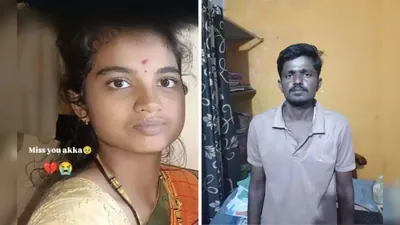
ಬಾಗಲಕೋಟೆ ಜಿಲ್ಲೆಯ ಗಲಗಲಿ ಗ್ರಾಮದಲ್ಲಿ ಅನೈತಿಕ ಸಂಬಂಧದ ಹಿನ್ನೆಲೆ 23 ವರ್ಷದ ಪತ್ನಿ ಭಾಗ್ಯಶ್ರೀಯನ್ನು ಪತಿ ಪ್ರವೀಣ ಜಿಗಲೂರು ನೇಣು ಬಿಗಿದು ಭೀಕರವಾಗಿ ಕೊಲೆ ಮಾಡಿದ್ದಾನೆ. ದಂಪತಿಗೆ 6 ವರ್ಷಗಳ ಹಿಂದೆ ವಿವಾಹವಾಗಿದ್ದು, ಪತ್ನಿಯ ಅನೈತಿಕ ಸಂಬಂಧದ ವಿಚಾರ 2 ವರ್ಷಗಳ ಹಿಂದೆ ಪತಿಗೆ ಗೊತ್ತಾಗಿತ್ತು. ಈ ವಿಚಾರವಾಗಿ ಇಬ್ಬರ ನಡುವೆ ಕಲಹಗಳೂ ನಡೆಯುತ್ತಿದ್ದವು ಎನ್ನಲಾಗಿದೆ.
ಬಾಗಲಕೋಟೆ, ಜುಲೈ 28: ಅನೈತಿಕ ಸಂಬಂಧ ಹೊಂದಿದ್ದಾಳೆ ಎಂಬ ಅನುಮಾನದ ಹಿನ್ನೆಲೆಯಲ್ಲಿ 23 ವರ್ಷದ ಪತ್ನಿಯನ್ನು ಪತಿ ನೇಣು ಬಿಗಿದು ಕೊಲೆ ಮಾಡಿರುವ ಘಟನೆ ಬಾಗಲಕೋಟೆ ಜಿಲ್ಲೆಯ ಗಲಗಲಿ ಗ್ರಾಮದಲ್ಲಿ ನಡೆದಿದೆ. ಮೃತೆಯನ್ನು ಭಾಗ್ಯಶ್ರೀ ಜಿಗಲೂರು ಎಂದು ಗುರುತಿಸಲಾಗಿದ್ದು, ಆರೋಪಿ ಪತಿಯನ್ನು ಪ್ರವೀಣ ಜಿಗಲೂರು ಎಂದು ಪೊಲೀಸರು ತಿಳಿಸಿದ್ದಾರೆ. ಪ್ರಾಥಮಿಕ ತನಿಖೆಯ ಪ್ರಕಾರ, ಪ್ರವೀಣ ಮೊದಲು ಮರದ ತುಂಡಿನಿಂದ ಪತ್ನಿಯ ಮೇಲೆ ಹಲ್ಲೆ ನಡೆಸಿ, ಬಳಿಕ ಮನೆಯಲ್ಲಿ ನೇಣು ಬಿಗಿದಿದ್ದಾನೆ ಎನ್ನಲಾಗಿದೆ.
ದಂಪತಿಯ ನಡುವೆ ಕಳೆದ ಕೆಲವು ತಿಂಗಳಿಂದ ಆಗಾಗ ಜಗಳವಾಗುತ್ತಿತ್ತು. ಇದರಿಂದ ಸುಮಾರು ಎರಡು ತಿಂಗಳ ಹಿಂದೆ ಭಾಗ್ಯಶ್ರೀ ಪತಿಯ ಮನೆಯಿಂದ ಹೊರಬಂದು ತನ್ನ ತಂದೆ-ತಾಯಿಯ ಮನೆಯಲ್ಲಿ ವಾಸಿಸುತ್ತಿದ್ದರು. ಬಳಿಕ ಇನ್ನು ಮುಂದೆ ಶಾಂತಿಯುತವಾಗಿ ಬದುಕೋಣ ಎಂದು ಮನವೊಲಿಸಿ ಪ್ರವೀಣ ಪತ್ನಿಯನ್ನು ಮರಳಿ ಮನೆಗೆ ಕರೆತಂದಿದ್ದ. ಆದರೆ ಮನೆಗೆ ಬಂದ ಅದೇ ದಿನ ಈ ಕೃತ್ಯ ಎಸಗಿರುವ ಆರೋಪ ಕೇಳಿಬಂದಿದೆ. ಘಟನೆಯ ಮಾಹಿತಿ ತಿಳಿಯುತ್ತಿದ್ದಂತೆ ಬಿಲಗಿ ಪೊಲೀಸರು ಸ್ಥಳಕ್ಕೆ ಭೇಟಿ ನೀಡಿ ಪರಿಶೀಲನೆ ನಡೆಸಿದ್ದಾರೆ. ಆರೋಪಿಯನ್ನು ಬಂಧಿಸಲಾಗಿದ್ದು, ಪ್ರಕರಣ ದಾಖಲಿಸಿ ಹೆಚ್ಚಿನ ತನಿಖೆ ಮುಂದುವರಿಸಿದ್ದಾರೆ.
ಘಟನೆ ಬಗ್ಗೆ ಬಾಗಲಕೋಟೆ ಎಸ್ಪಿ ಸಿದ್ದಾರ್ಥ್ ಗೋಯಲ್ ಪ್ರತಿಕ್ರಿಯಿಸಿದ್ದು, ಮೃತ ಭಾಗ್ಯಶ್ರೀ ಮೈಮೇಲೆ ರಾಡ್ನಿಂದ ಹೊಡೆದ ಗುರುತುಗಳು ಕಂಡುಬಂದಿವೆ. ಆಕೆ ಕಿರುಕುಳಕ್ಕೆ ನೇಣು ಹಾಕಿಕೊಂಡಿರಬಹುದು ಅಥವಾ ಹಲ್ಲೆ ಮಾಡಿ ಪತಿ ಪ್ರವೀಣ ನೇಣು ಹಾಕಿರಬಹುದು. ಪ್ರಾಥಮಿಕ ತನಿಖೆ ಪ್ರಕಾರ ಭಾಗ್ಯಶ್ರೀಗೆ ಅನೈತಿಕ ಸಂಬಂಧ ಇರುವುದು ಬಹುತೇಕ ಖಚಿತವಾಗಿದೆ. ಆಕೆಯ ತವರು ಮನೆ ಮಹಾಲಿಂಗಪುರದ ವ್ಯಕ್ತಿಯ ಜೊತೆಗೆ ಸಂಪರ್ಕ ಹೊಂದಿದ್ದಾಳೆ. ಆ ವ್ಯಕ್ತಿಯ ಜೊತೆಗಿನ ಆಕೆಯ ಅಶ್ಲೀಲ ವಿಡಿಯೋಗಳು ಪ್ರವೀಣ್ ಮೊಬೈಲ್ನಲ್ಲಿ ಸಿಕ್ಕಿವೆ. ಅವನ್ನು ಆತ ತನ್ನ ಕೆಲ ಸ್ನೇಹಿತರಿಗೆ ಶೇರ್ ಮಾಡಿದ್ದಾನೆ. ದಂಪತಿಗೆ 6 ವರ್ಷಗಳ ಹಿಂದೆ ವಿವಾಹವಾಗಿದ್ದು, ಪತ್ನಿಯ ಅನೈತಿಕ ಸಂಬಂಧದ ವಿಚಾರ 2 ವರ್ಷಗಳ ಹಿಂದೆ ಪತಿಗೆ ಗೊತ್ತಾಗಿತ್ತು. ಈ ವಿಚಾರವಾಗಿ ಇಬ್ಬರ ನಡುವೆ ಕಲಹಗಳೂ ನಡೆಯುತ್ತಿದ್ದವು. ಘಟನೆ ವೇಳೆ ಮನೆಯಲ್ಲಿ ದಂಪತಿ ಮಾತ್ರ ಇದ್ದರು. ಸ್ಥಳದಲ್ಲಿ ಬಿಯರ್ ಬಾಟಲಿಗಳು ದೊರೆತಿದ್ದು, ಆರೋಪಿ ಮದ್ಯ ಸೇವಿಸಿದ್ದ ಸಾಧ್ಯತೆಯೂ ಇದೆ ಎಂದವರು ತಿಳಿಸಿದ್ದಾರೆ.
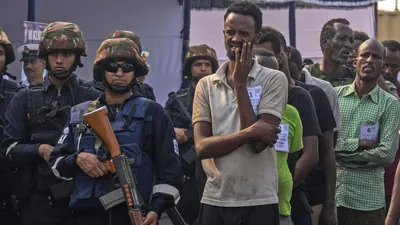
In March 2024, a hijacking alert was received from Iranian flagged FV Al Kambar, leading to the arrest of nine Somalian nationals after INS Trushul and Sumedha responded
A special court in Mumbai on Monday (July 20, 2026)sentenced 44 Somalian nationals to life imprisonment in two different cases on charges of piracy and other offences.
The court also appreciated the bravery of Indian Navy in discharging legal and international duty in letter and spirit by taking all cost and risk.
While imposing the maximum punishment of life imprisonment, Special Judge S.B. Dige noted that the offences committed by the accused persons were serious in nature.
All the 44 accused, comprising 35 in one case and nine in the other, had pleaded guilty before the court and had urged for leniency.
The court said it was aware of the poor condition of the accused persons and the fact that they have voluntarily pleaded guilty.
“But on the other hand, the act of piracy on high sea by hijacking a vessel and keeping crew members hostage for ransom by attempting to kill them and to keep them as human shield and not obeying the lawful directions of Indian Navy are very serious things which cannot be taken casually,” the court said.
The accused have been convicted under Indian Penal Code, Arms Act, Passport Act, Foreigners Act, Maritime Anti-Piracy Act and the Explosive Substances Act.
In the case in which nine persons were accused, as per the prosecution, Indian Naval Ship Trishul and Sumedha were deployed in Gulf of Aden (east coast of Somalia) for an anti-piracy mission.
In March 2024, a hijacking alert was received from Iranian flagged FV Al Kambar, leading to the arrest of nine Somalian nationals after INS Trushul and Sumedha responded.
The prosecution claimed the pirates abducted and kept the crew members of the Iranian ship hostage for about three days for ransom and threatened to kill them or hurt them through deadly weapons like AK-47 rifles, hand grenades etc.
The accused also opened fire on the Indian warships and had, hence, committed terrorist acts, which deserve the harshest punishment, the prosecution had said.
The nine accused sought leniency on the ground that they were poor and uneducated Somalian citizens with small children back home.
They urged the court to consider the fact that they have voluntarily pleaded guilty. They also said there is cordial diplomatic relations between India with Somalia.
In the second case, INS Kolkata had, in December 2023, apprehended 35 accused, all Somalian nationals, who had abducted Merchant Vessel (MV) Ex-Ruen, a Malta Flagged bulk carrier.
These accused were also charged and convicted under provisions of Unlawful Activities (Prevention) Act.
2026.7.8 रांची में नहीं थम रहा गैंगस्टर प्रिंस खान और राहुल सिंह के धमकी भरे कॉल का सिलसिला, कारोबारियों में दहशत
रांची । गैंगस्टर प्रिंस खान और राहुल सिंह की धमकियों से रांची के कारोबारी भारी दहशत में हैं। शहर के नामचीन होटल व्यवसायियों, सर्राफा व्यापारियों, दवा विक्रेताओं और बिल्डरों को इन दोनों गिरोहों की ओर से रंगदारी के लिए लगातार धमकी भरे कॉल आ रहे हैं। ताजा मामला रांची के बरियातू थाना क्षेत्र का है, जहां रानी बागान निवासी और रियल एस्टेट कारोबारी बिजेंद्र सिंह से कुख्यात गैंगस्टर प्रिंस खान के नाम पर एक करोड़ रुपए की रंगदारी मांगी गई है। पीड़ित कारोबारी के अनुसार, उन्हें सबसे पहले मंगलवार को उनके मोबाइल फोन पर एक व्हाट्सऐप संदेश मिला, जिसमें भेजने वाले ने खुद का नाम प्रिंस खान बताते हुए एक करोड़ रुपए की मांग की और तय समय पर पैसा नहीं मिलने पर उनकी हत्या करने की बात कही। जब वह इसकी शिकायत दर्ज कराने बरियातू थाना पहुंचे और थाना प्रभारी को घटना की जानकारी दे रहे थे, ठीक उसी वक्त उनके मोबाइल पर दोबारा एक व्हाट्सऐप कॉल आई। फोन करने वाले ने खुद को फिर से प्रिंस खान बताते हुए बेहद आक्रामक लहजे में कहा कि एक सप्ताह के भीतर रंगदारी की पूरी रकम पहुंच जानी चाहिए, अन्यथा इसके गंभीर परिणाम भुगतने होंगे।
कारोबारी ने पुलिस को बताया कि अपराधियों ने उनकी और उनके पूरे परिवार की बाकायदा रेकी कराई है, क्योंकि अपराधियों ने उनके घर के सदस्यों के मूवमेंट और उनकी गाड़ियों की पूरी डिटेल उन्हें भेजी है। रांची में पिछले कुछ महीनों में रंगदारी और आतंक का यह ग्राफ तेजी से ऊपर भागा है।
इसी साल जनवरी में एयरपोर्ट थाना क्षेत्र स्थित टीटोस रेस्टोरेंट के संचालक से एक करोड़ रुपए की रंगदारी मांगी गई थी और जब रकम का भुगतान नहीं हुआ, तो अपराधियों ने रेस्टोरेंट में घुसकर अंधाधुंध फायरिंग की, जिसमें एक कर्मचारी की जान चली गई थी।
इसके बाद मार्च में अल्बर्ट एक्का चौक स्थित जय हिंद फार्मा के संचालक को भी एक करोड़ रुपए की रंगदारी के लिए धमकी भरा कॉल आया था। जून की शुरुआत में होटल जलजोगा के संचालक मिहिर घोष से पचास लाख रुपए और होटल कैपिटल हिल के संचालक संजय भाटिया से एक करोड़ रुपए की मांग की गई। इसके तुरंत बाद पॉल ज्वेलर्स के संचालक और हटिया क्षेत्र के एक अन्य कारोबारी से पांच-पांच करोड़ रुपए की भारी-भरकम रंगदारी मांगी गई।
वहीं, जून के आखिरी हफ्ते में कारोबारी उमाशंकर सिंह को सीधे दुबई के एक अंतरराष्ट्रीय नंबर से कॉल करके पांच करोड़ रुपए की रंगदारी देने का दबाव बनाया गया, और हद तो तब हो गई जब अपराधी उनके प्रतिष्ठान तक पहुंच गए और उनकी लाइव तस्वीर खींचकर व्हाट्सऐप पर भेजते हुए संदेश लिखा कि जब मैं तुम्हारी फोटो खींच सकता हूं तो क्या तुम्हारी हत्या नहीं कर सकता।
पुलिस के मुताबिक, हाल के दिनों में सामने आई इन सभी वारदातों में रंगदारी मांगने के लिए विदेशी मोबाइल नंबरों, इंटरनेट कॉलिंग, व्हाट्सऐप कॉल्स और विभिन्न सोशल मीडिया अकाउंट्स का इस्तेमाल किया जा रहा है। अपराधी अपनी पहचान छिपाने के लिए लगातार वर्चुअल प्रॉक्सी नेटवर्क और विदेशी गेटवे का सहारा ले रहे हैं, जिससे उनकी सटीक लोकेशन को ट्रेस करना बेहद पेचीदा हो गया है।
झारखंड के फेडरेशन ऑफ चैंबर ऑफ कॉमर्स सहित व्यापारिक संगठनों ने राज्य सरकार और पुलिस मुख्यालय के आला अधिकारियों से मुलाकात कर एक विशेष एंटी-एक्सटॉर्शन टास्क फोर्स के गठन की मांग की है।
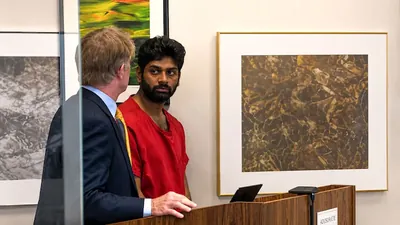
A Telangana-born software engineer strangled his wife just six months after their marriage. Police allege the killing was motivated by his ongoing secret relationship with another woman in India.
A 30-year-old Indian engineer working in the United States has been charged with murdering his wife nearly nine months after she was found dead inside the couple’s apartment in Washington, with police alleging that he strangled her and staged the crime scene to conceal the killing.
Raajitha Sabbineni, the 27-year-old wife of software development engineer Avinash Narne from Telangana, was found dead in October 2025. Police have now arrested Narne and charged him following an extensive investigation that uncovered evidence suggesting he carried out a premeditated killing while maintaining a secret romantic relationship with another woman in India.
According to charging documents cited by local media, Narne admitted to sending his girlfriend a photograph of Sabbineni’s body the day after her death.
The accused remains in custody on USD 5 million (around Rs 48 crore) bail. If convicted, the Indian national could face life imprisonment under Washington state law.
WIFE FOUND DEAD IN BATHROOM
One night in late October, Bellevue Police received a call from a man saying his wife had locked herself inside the bathroom and was not responding. When officers arrived, they forced entry into the bathroom and found Sabbineni lying on the floor. She was pronounced dead at the scene, less than six months after the couple’s marriage.
However, an autopsy later determined that she died from asphyxia caused by strangling and her death was officially ruled a homicide.
While the investigation gradually pointed towards the husband, he made several claims to avoid suspicion.
Narne told detectives that on the day of her death, he left the home to run errands and returned approximately 40 minutes later. According to his account, he then discovered that Sabbineni was locked inside the bathroom and called police after being unable to get a response.
However, police said digital evidence contradicted any theory that someone else entered the home while Narne was away. According to charging documents, officials analysed data from the apartment’s front-door security and smart-lock system.
The records confirmed that Narne had briefly left the residence but showed that no other person entered the apartment during the period he was away. Officials then effectively ruled out the possibility that an unknown intruder entered the home and killed Sabbineni.
SECRET RELATIONSHIP UNCOVERED
As detectives examined Narne’s communications and personal relationships, they uncovered what prosecutors describe as a possible motive.
Court documents allege that Narne had been involved in a “secret relationship” with another woman in India before marrying Sabbineni. Police said the relationship continued after the wedding and that the woman had even attended the couple’s marriage ceremony.
According to prosecutors, Narne remained in regular contact with the woman after his marriage.
Police found that he called her at least four times on the day of Sabbineni’s death, including around the time he later claimed he was attempting to gain access to the bathroom, according to local news reports.
Police also alleged that Narne sent the woman a photograph of Sabbineni’s body the day after her death. He reportedly acknowledged doing so during questioning.
MESSAGES ABOUT BITTER-TASTING DRINKS
The charging documents also reveal a series of messages exchanged between Sabbineni and Narne in the weeks leading up to her death. According to police, Sabbineni repeatedly complained that drinks prepared by her husband tasted unusually bitter.
On the day she died, she allegedly told Narne that a smoothie he had made tasted like “medicine” and “cough syrup”.
Narne even suggested to officials when they arrived to check the home that the wife had been feeling unwell and might have collapsed after consuming cough syrup.
ARREST AFTER MONTHS OF INVESTIGATION
For nearly eight months following Sabbineni’s death, Narne remained free while detectives continued gathering evidence, reviewing digital records and conducting interviews. The investigation culminated in a follow-up interview with Narne, after which Bellevue Police arrested him on suspicion of first-degree murder.
On July 1, a local court formally charged him with first-degree murder, reflecting prosecutors’ allegation that the killing was intentional and premeditated.
2026.7.8 High Court says Athar Khan ‘core conspirator’ in 2020 Delhi riots case, denies bail under UAPA
The court said WhatsApp chats and witness testimony established Athar Khan’s role in the conspiracy, and he therefore was barred from bail under Section 43D(5) of the UAPA.
2026.7.8 Trying to save each other, family of four electrocuted in Satara
Police said the exact sequence of events is being verified, and a detailed investigation has been launched to determine the circumstances that led to the electrocution.
The deceased have been identified as Pisuradya Kisan Shinde, Gangu Satish Shinde, Sachin Satish Shinde and Aarti Satish Shinde.
Four members of the same family lost their lives after being electrocuted in a tragic incident in Maharashtra’s Satara district, police said on Wednesday.
According to police officials, the victims died while attempting to rescue one another after one family member suffered an electric shock inside the house. All four were residents of Sakharwadi in Khamgaon.
The deceased have been identified as Pisuradya Kisan Shinde, Gangu Satish Shinde, Sachin Satish Shinde and Aarti Satish Shinde. According to preliminary information, the incident occurred when Satish Shinde reportedly received an electric shock while removing or installing a light bulb. As he collapsed after coming into contact with the live current, other family members rushed to his aid.
In the process of trying to rescue him, his wife and their two children also came into contact with the electrical source and were electrocuted one after another. The entire family died at the scene before help could arrive.
Police said the exact sequence of events is being verified, and a detailed investigation has been launched to determine the circumstances that led to the electrocution. The bodies have been sent for post-mortem examination, while officials are also examining the electrical connection and other possible factors that may have contributed to the tragedy.
The incident has left the local community in shock, with police urging people to exercise extreme caution while handling electrical fittings and appliances, particularly during repair or maintenance work.
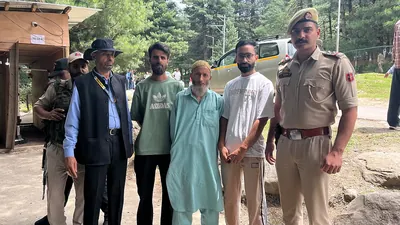
The FRS alerted police to three suspicious men passing through Sarbal in Anantnag, following which personnel intercepted them and verified their identities.
SRINAGAR: In a first, police have arrested three alleged Over Ground Workers (OGWs) of militants with the help of advanced surveillance technology, a Facial Recognition System (FRS), which generated alerts about their movement in south Kashmir’s Anantnag district.
The Facial Recognition System (FRS) has been installed by police in south Kashmir’s Anantnag district as part of the security apparatus for the smooth conduct of the ongoing Amarnath Yatra.
A police spokesperson said the FRS generated timely alerts regarding three suspicious individuals while they were passing through the Sarbal area in Anantnag.
Acting swiftly on the alerts, police personnel intercepted and verified the identities of the three individuals.
“During the verification process, all three were identified as Over Ground Workers (OGWs),” the spokesperson said.
The three were arrested for further legal proceedings, police said.
It is believed to be the first time in Kashmir that alleged OGWs have been detained with the help of an advanced Facial Recognition System.
“The successful detection highlights the crucial role of technology-driven policing in strengthening the security grid and ensuring a safe, secure, and incident-free Amarnath Yatra,” the police spokesperson said.
Police remain committed to leveraging modern surveillance systems and maintaining a robust security framework to safeguard pilgrims and uphold peace in south Kashmir’s Anantnag district, the spokesperson added.
2026.7.8 NDTV Investigation: Search For Answers As Several Women Die After C-Section In Kota
In this three-part series, NDTV investigates maternal deaths and severe post-delivery complications reported across government hospitals in Rajasthan.
Barely two months old, he cries, searching for the one voice that will never answer again. Above his bed hangs a photograph of his mother. His father and aunt try to soothe him, but nothing calms him. Finally, his aunt lifts him into her arms and feeds him a bottle of milk.
His mother’s embrace is gone. So is the warmth of her touch. “This is his life now,” said his father, Pawan Malviya, adding, “A mother’s love and her milk were never meant to be part of his destiny.”
Advertisement – Scroll to continue
His wife, Payal, died at the New Medical College Hospital in Kota after giving birth to their child. Following her sudden deterioration, other women in the same ward also fell critically ill.
A day after delivering her son through a caesarean section, Payal died in the hospital. Doctors attributed her death to a pulmonary embolism – a blood clot in the lungs.
But Payal was not the only casualty.
More women died after undergoing C-section deliveries in Kota. Several others developed severe complications and are now dependent on repeated dialysis, some having undergone as many as 26 sessions. While certain drug reports are awaited, the review committee has flagged inadequate monitoring of key health indicators.
Their deaths have brought about more questions than answers even as officials aware of the investigation attribute different causes behind the deaths of these five women – three were in the New Medical College Hospital, Kota, and two who were initially admitted in the JK Lone Hospital, Kota.
The investigation is being conducted by an eight-member expert committee set up by the Rajasthan government and an expert team from AIIMS, New Delhi. Additionally, the New Medical College Hospital in Kota has launched an internal inquiry led by its principal, Dr Nilesh Jain.
For this three-part series, NDTV travelled across several districts of Rajasthan to investigate maternal deaths and severe post-delivery complications reported across government hospitals.
This story focuses on Kota, where the team visited hospitals and spoke to bereaved families, survivors, doctors, officials and investigators. Part 2 would explore cases in Jodhpur, followed by Part 3 in Bikaner.
Speaking exclusively to NDTV, Rajasthan Health Minister Gajendra Singh Khimsar, however, maintained the incidents in Kota, Jodhpur and Bikaner were separate cases and should not be viewed as part of a single statewide pattern. The minister said the inquiry has not identified any single cause behind the deaths and complications but has instead pointed to multiple contributing factors.
Cluster of Tragedies
When Payal’s lifeless body was wheeled out of the ward, another woman, Jyoti Verma, was fighting the same battle.
Ravi Nayak and Jyoti Verma had married just last year, after years of love that finally culminated in their wedding. They were eagerly waiting to welcome their first child. But that joy was short-lived.
When doctors discovered that the baby had passed stool inside the womb, Jyoti was rushed in for an emergency cesarean section. What was meant to be a race to save two lives soon turned into a tragedy that left an entire family shattered.
“Doctors told us she needed an emergency C-section. She was shifted to another ward. There were six women there, all put on drips. After the delivery, she seemed fine. But the very next morning, her condition suddenly worsened. Her blood pressure dropped, she was panicking. We kept asking the doctors what was happening, but they only told us to wait. She was shifted to the ICU. She was bleeding heavily. On May 6, she was referred to the new building (super speciality) and put on dialysis. But the bleeding never stopped,” Ravi Nayak said.
As he spoke, Ravi flips through a thick file of Jyoti’s medical records, holding on to the only evidence he believes proves that his wife was perfectly healthy before she walked into the hospital to deliver their first child.
Jyoti’s post-mortem report, accessed by NDTV, states that the exact cause of death is awaiting forensic laboratory (FSL) findings. However, doctors treating her said she developed acute kidney failure and multiple organ failure following severe, excessive bleeding.
“I can’t even go to work anymore because I have to look after my child. We haven’t received any support from either the government or the hospital,” Ravi Nayak said.
For these families, the loss did not end with the deaths. It has become a daily struggle to raise newborns without their mothers, while waiting for answers and accountability. They said they have been denied their complete medical records, a claim disputed by the state’s health minister.
Where was the monitoring?
The spotlight of the probe in these cases now also sticks on post-operative monitoring. Sources told NDTV that investigators found gaps in tracking urine output-a critical indicator after delivery in some patients at the Kota’s New Medical College Hospital.
The review committee also flagged inadequate monitoring of blood pressure, ECG readings, hydration, and liver and kidney function tests.
“Several issues were found in documentation as well as monitoring at regular intervals,” a source said.
Investigators have also identified significant discrepancies in recordkeeping at the hospital.
“The hospital on some days handles nearly 100 deliveries a day. With such a heavy workload, the monitoring required every two hours may not have been tracked consistently in every case,” a senior doctor said.
Speaking to NDTV, Dr Nilesh Jain, principal of the New Medical College Hospital, Kota, said, “On May 4 and 5, around 12 emergency surgeries were performed, including 10 C-sections. Four women recovered normally, but six suddenly fell critically ill. Payal was one of them and later died. The others had to be shifted to the Super Speciality Hospital.”
“Drawing a distinction with another government hospital, Dr Jain said the complications at the JK Lone Hospital appeared unrelated. “On May 8 and 9, 12 C-sections were performed there. Six women recovered, while six developed different complications. One woman with a cardiac condition died, two suffered liver complications and were discharged, and two developed kidney failure and were shifted to the Super Speciality Hospital. Those were high-risk pregnancies with a different etiology (cause),” Dr Jain added.
According to doctors at the JK Lone Hospital, Kota, while Priya Mahawar died due to heart failure, Pinky Mahawar died due to postpartum haemorrhage.
But at the New Medical College Hospital, Dr Jain said, the pattern is harder to ignore.
“Only two of the women were high-risk pregnancies. The rest were healthy before surgery. That is why we believe these cases may have a common etiology.”
The emergency operation theatre where six of the deliveries took place in the New Medical College Hospital, Kota, has been shut and is being renovated. The labour room here had seepage. However, officials say bacteriological cultures from the OT showed no signs of contamination.
In the aftermath of the Kota maternal deaths, investigators also found that some Oxytocin vials contained water instead of the drug. Doctors and investigators now believe Oxytocin is unlikely to have caused these deaths.
Dr Jain added that the OT is being renovated as per suggestions from the AIIMS review team.
Sources said reports on surgical items, IV sets and IV cannulas are still awaited, while tests on samples of the used antibiotics and several other medicines have come clear. Fresh samples of medicines linked to patients developing symptoms such as shivering, etc, have also been sent for analysis.
However, sources said investigators increasingly believe the tragedy may have been multifactorial – involving a combination of patient condition, environmental factors as well as a variety of other factors. As the probe continues, there is still no clear answer. Two doctors – Dr BL Patidar (head of the gynaecology unit in the New Medical College Hospital, Kota) and Dr Shradha Upadhyay (a contractual doctor in the hospital’s gynaecology department) – have been suspended.
Many More Lives Upended
In Shivpura, however, there is no cry of a newborn-only silence.
Five months pregnant, Shereen had gone to the New Medical College Hospital, Kota, for what was meant to be a routine sonography. During the examination, the gynaecologist found that her cervix had opened prematurely and immediately performed an emergency cervical stitch in an attempt to save the pregnancy.
But Shereen’s condition continued to deteriorate. Desperate to save her, her family shifted her to a private hospital, where they spent nearly Rs 3 lakh on treatment. When the money ran out, they had no choice but to return to the Kota Medical College Hospital.
It was there that Shereen lost her life. “This is murder. This is two murders. Now my house is on mortgage,” said her father-in-law Abdul Wahab.
But the story doesn’t end with these deaths.
When NDTV visited the Super Speciality Building in the New Medical College Hospital campus last week, it found several other women still admitted, many undergoing repeated dialysis.
“She was normal after the delivery. We kept telling the staff she was bleeding, but no one paid attention. The doctors operated on her again, yet the bleeding started all over again. By evening, her body had turned yellow and was badly swollen. She was put on a ventilator for four days. Then her kidneys stopped producing urine,” said Mogan Lal, husband of Dhanni Bai.
To keep her alive, he says, he sold the taxi he drove for a living. “She has to undergo dialysis every third day. So far, she’s had nearly 20 to 25 sessions,” he said. Sitting beside him, a visibly frail Dhanni Bai struggles even to feed herself. In a faint voice, she says, “Just two days ago, I was in the ICU.”
Dhani isn’t the only one, there’s Ragini, Sushila, Aarti and Pinky too on repeated dialysis. Some women have, however, also recovered and left.
“Her blood pressure and sugar levels keep fluctuating. It all began in May. Our baby was born on May 3. We’ve already spent Rs 50,000 and now we have nothing left. Today, even my elder daughter fell ill. I don’t know what to do anymore,” said Om Prakash, Sushila’s husband.
Some of these women have been advised by doctors to return home. But their families are terrified. They fear that if their condition worsens, they may not survive the long journey back for dialysis.
For many, home is several kilometres away and every trip to the hospital is a battle in itself.
Heat, Dehydration And Hidden Risks
Senior doctors also said many of the women they treat have had multiple pregnancies, are anemic, or arrive severely dehydrated. However, they agreed that monitoring of hydration levels when they were first admitted too may not have been adequate.
They also said underlying health conditions, coupled with heat, poor nutrition and socio-economic factors, can increase the risk of serious complications during and after childbirth.
Dr Nirmala Sharma, Head of the Department of Gynaecology and Superintendent of the JK Lone Hospital, said multiple factors can contribute to life-threatening complications during pregnancy and childbirth.
“In regions like Kota, Bikaner and Jodhpur, extreme heat often leads to dehydration because many women do not drink enough water. If they also have conditions such as high blood pressure, these factors can compound. During delivery, women can enter a hypercoagulable state, which in severe cases may progress to disseminated intravascular coagulation (DIC), often a life-threatening condition that is extremely difficult to reverse,” she said.
Dr Sharma stressed the need for round-the-clock laboratory support. “We need 24-hour laboratories that can provide rapid renal and liver function tests. Everything changes during pregnancy, and timely monitoring is critical.”
According to Rajasthan Health Minister Gajendra Singh Khimsar, extreme heat during the heatwave, dehydration among pregnant women and the fact that many patients were already high-risk referrals who arrived in critical condition may all have contributed to the adverse outcomes.
He also said investigators are examining whether high temperatures during transportation and storage could have affected the efficacy of certain medicines and injections.
Khimsar stressed that Rajasthan’s maternal mortality ratio is below 48 deaths per 100,000 live births, lower than the national average, and argued that the state’s government hospitals continue to manage an enormous patient load while delivering specialised care.
“The New Medical College Hospital, Kota, alone sees nearly 14 lakh OPD patients every year, while the JK Lone Hospital conducts around 6,000 deliveries annually. Government hospitals handle the most complicated and high-risk cases, many of them referred from other facilities, while providing treatment free of cost. That is why they have greater expertise than private hospitals,” the minister said.
Khimsar said the review conducted by the AIIMS team recommended stricter Standard Operating Procedures (SOPs), better refrigeration and temperature control, and stronger infection control and hygiene practices across hospitals. He added that the Rajasthan government has decided to strengthen these SOPs, improve cooling and storage infrastructure, and continue accepting critically ill referral patients despite the higher risk of poor outcomes.
Meanwhile, the families in Kota are still searching for accountability and for the truth. Some returned carrying death certificates, and unanswered questions. But for the children growing up without their mothers, and the families left to piece together what happened inside those hospital walls, every passing day is another reminder of the tragedy.

Chandrakar was earlier detained by UAE authorities in Dubai in 2024 on an Interpol Red Notice, but was released after India’s extradition request was not accepted.
NEW DELHI: Sourabh Chandrakar, founder of the Rs 6,000-crore Mahadev online betting syndicate and a declared fugitive, has been arrested in Oman after allegedly entering the country on a forged Indonesian passport, officials said on Wednesday. India has sought his extradition.
Chandrakar, who is in his 30s, was detained by the Royal Oman Police several weeks ago based on an Interpol Red Notice issued at the request of the Enforcement Directorate (ED) and the Chhattisgarh Police, officials said.
He is currently lodged at Muscat’s Al Khoud detention centre. Oman has also registered a separate criminal case against him over the alleged use of a forged passport and illegal entry into the country.
The Central Bureau of Investigation (CBI) last week sent a formal extradition request to the Omani authorities through the Ministry of External Affairs, along with a judicial dossier translated into Arabic as required under Omani law, officials said.
A joint CBI-ED team is expected to travel to Muscat once an Omani court clears the extradition request.
Earlier, Chandrakar was detained by UAE authorities in Dubai in 2024 on an Interpol Red Notice, but was released after India’s extradition request was not accepted.
Officials said his plea to have the Red Notice withdrawn was later rejected by Interpol’s Commission for the Control of Files, which held that the case pertained to financial crime and not political persecution.
According to the ED, the Mahadev syndicate operated thousands of online betting “panels” across India through platforms such as Tiger Exchange, Gold365 and Laser247, allegedly generating hundreds of crores of rupees every day while implicating senior Chhattisgarh politicians and bureaucrats.
The agency has so far arrested 13 people and named 74 entities as accused in five charge sheets filed before a special court in Raipur.
In March, the ED said it had attached assets worth Rs 1,700 crore linked to Chandrakar, mostly in Dubai, including holdings in the Burj Khalifa.
Co-founder Ravi Uppal, who allegedly ran the network with Chandrakar from Dubai after the duo fled India in 2019, is reported to have relocated to Vanuatu after UAE authorities closed extradition proceedings against him.
2026.7.7 Delhi dowry death: She returned to work hoping to end marital taunts, but her hope was cut short
Just four days after resuming her job to earn her way out of abuse, 28-year-old Akriti Sutar lost her life in a tragic third-floor fall; husband arrested.
Twenty-eight-year-old Akriti Sutar believed that returning to work after her wedding would eventually end the alleged taunts she faced at her matrimonial home over dowry. She hoped that by continuing to earn, saving money and gradually buying the household items she was allegedly criticised for not bringing, things would improve.
That hope was cut short just four days after she resumed work.
Akriti’s husband, Arastu Sikka, was arrested on Monday in connection with her alleged dowry death after she was found dead on July 5 following an alleged fall from the third floor of an NDMC residential complex in Delhi’s Lodhi Colony.
Speaking to news agency PTI, Akriti’s younger brother, Amay Sutar, said she deliberately kept much of the alleged abuse from her family because she did not want to burden them while they were still recovering financially after the death of their father from cancer in 2019.
According to him, Akriti believed that if she continued working and slowly purchased the household items over which she was allegedly taunted after marriage, the harassment would eventually stop.
“She told me, ‘You have just become financially stable. Don’t burden yourself. I will keep working and slowly manage everything myself. Maybe then they will stop saying these things,’” Amay told PTI.
Akriti and Sikka had been in a relationship for two years before marrying on April 24. After taking a break for the wedding, she resumed her job as a sales executive at a private company in Chhatarpur on July 1.
Amay said his sister had taken on the responsibility of supporting the family after their father’s death, driven by a single goal of helping him become financially independent.
“After my father passed away, she did a lot for me. Her only dream was to see me settled,” he said.
He alleged that although Sikka’s family had agreed before the wedding that Akriti would continue working after marriage, they later changed their stand and objected to her employment. He further alleged that she was repeatedly taunted for not bringing household items such as a bed, sofa, wardrobe, refrigerator and air-conditioner from her parental home, and that indirect demands of Rs 10 lakh to Rs 20 lakh were made.
Rather than asking her family to meet those demands, Akriti believed she could resolve the situation herself by continuing to work, her brother claimed.
The family initially believed the couple was experiencing ordinary marital disagreements. Amay said that when Akriti complained that she had been slapped on one occasion, elders from both families intervened in an attempt to reconcile the couple.
It was only on July 3, a day before her death, that she allegedly revealed the full extent of the physical abuse, threats and harassment she had endured over the previous weeks, he said.
Looking back, Amay said there had been signs that the family had failed to fully understand.
“She became quieter after marriage. We thought she was just exhausted and settling into the new environment. Whenever we asked, she would simply say everything is alright,” he told PTI.
He said some of Akriti’s childhood friends had also noticed a change in her demeanour, though she rarely spoke openly about her problems.
Investigators are examining a Google search for “how to die easily” recovered from Akriti’s phone history as part of the probe.
Amay, however, alleged that Sikka exercised complete control over his sister’s phone, frequently checking it and accusing her of infidelity over minor changes, including her password.
“He used to check everything. Even if her password changed accidentally, he would accuse her of having an affair, abuse her and beat her,” he alleged.
Amay also claimed he had long been uneasy about Sikka’s behaviour, saying he would often take offence over trivial matters. He further alleged that Sikka objected to Akriti speaking with her mother and brother over the phone and, after learning she had informed her family about the alleged abuse, threatened to have Amay assaulted and dismissed from his job.
According to the family, Akriti left her office on July 4 but never reached home. When repeated calls to her phone went unanswered, relatives began searching for her. Later that night, a police officer answered a call made to her phone and informed the family that she had been admitted to hospital after allegedly falling from the third floor of the residential complex.
Delhi Police have arrested Sikka under provisions relating to dowry death and cruelty by husband or relatives. Investigators are examining CCTV footage, call records, mobile phone data and other digital evidence to establish the circumstances leading to Akriti’s death, while the role of other family members remains under investigation.

The development comes days after the film was quietly taken off the Zee5 platform’s release schedule following government intervention.
CHANDIGARH: The BJP-led Union government has constituted a committee to examine the removal of Diljit Dosanjh’s film Satluj from an OTT platform on national security grounds, citing concerns it could be exploited to garner support for the pro-Khalistan movement amid a political row in Punjab, which heads to polls in 2027.
Originally titled Punjab 95, the film is based on the life of human rights activist Jaswant Singh Khalra. The move comes amid criticism from political parties and several prominent personalities in Punjab over its removal.
Political parties across Punjab, including the Congress, Shiromani Akali Dal and Aam Aadmi Party (AAP), along with several prominent personalities, had criticised the Centre over the film’s removal from the OTT platform.
The development comes days after the film was quietly taken off the Zee5 platform’s release schedule following government intervention.
The Ministry of Information and Broadcasting (MIB) has now referred Satluj to the Inter-Departmental Committee (IDC), constituted under Rule 14 of the Information Technology (Intermediary Guidelines and Digital Media Ethics Code) Rules, 2021, to examine the film’s content.
The move came a day after the ministry directed OTT platform Zee5 to take down the film under Section 69A of the Information Technology (IT) Act.
Sources said the matter is now being examined by the IDC, which is part of the government’s oversight mechanism for OTT platforms and digital publishers and is empowered to make recommendations to the Central Government on content-related complaints.
The IDC comprises representatives from the Ministry of Information and Broadcasting, Ministry of Home Affairs, Ministry of Electronics and Information Technology, Ministry of Law and Justice, Ministry of Women and Child Development, Ministry of External Affairs and Ministry of Defence, along with representatives from other ministries or domain experts that the MIB may include. It is headed by an authorised officer appointed by the MIB, of at least the rank of Joint Secretary.
Acting on an appeal submitted by Punjab BJP Kewal Singh Dhillon to the Union government on Sunday, the Ministry of Information and Broadcasting directed that the matter be referred to a three-member review committee.
“Punjab’s cinema and its artists represent the voice, history and cultural identity of our people. When serious concerns were raised by members of the Punjabi film industry and the public over the manner in which Satluj was removed from OTT. I felt it was my responsibility to place the matter before the Central Government,” Dhillon said.
“I welcome the Centre’s prompt decision to refer the issue to a review committee. Due process, transparency and respect for Punjab’s cultural and creative voices must always go hand in hand. I am confident that the committee will conduct a comprehensive review, and I remain committed to standing with Punjab’s artists and the people of Punjab on this issue,” he added.
Dhillon further said that while the rule of law must always be upheld, it is equally important that the genuine concerns of Punjab’s film fraternity and the wider public receive a fair and objective hearing. He added that BJP Punjab would continue to engage constructively with all stakeholders to help ensure an expeditious and just resolution of the matter.
The Honey Trehan-directed film was released without any cuts, but on Sunday evening the platform issued a statement informing viewers that it was no longer available in India.
“In light of the current developments, ‘Satluj’ will be unavailable in India until further notice. We remain committed to exploring every appropriate avenue through due process to bring the film back to our audiences at the earliest opportunity,” the streamer had said in a statement.
In the film, Dosanjh essays the role of Khalra, who investigated the cremation of thousands of unidentified bodies in Punjab between 1984 and 1994 before disappearing in 1995.
In 2005, four Punjab Police personnel were convicted of his abduction and murder and sentenced to seven years in prison. Two years later, the Punjab and Haryana High Court enhanced their sentence to life imprisonment.
In 2023, the film was scheduled to have its world premiere at the Toronto International Film Festival (TIFF) but was removed from the line-up without any official statement from the organisers.
The social drama ran into trouble with the Central Board of Film Certification (CBFC), which had reportedly asked for an unprecedented 127 cuts. The delay in obtaining certification forced the makers to postpone its planned release.
Under its earlier title, Punjab 95, the film was slated for a worldwide release on February 7, 2025, without any cuts, except in India. That release, however, also did not take place.x1200
2026.7.6 Blind Murder Solved In 24 Hours: Daughter-In-Law Allegedly Masterminds Elderly Man’s Killing In Jashpur
Jashpur Police in Chhattisgarh solved a blind murder case within 24 hours, arresting four accused including the victim’s daughter-in-law. The 70-year-old man was killed in Duldula area during the intervening night of July 3–4 over a family dispute. Police used CCTV, forensic inputs, dog squad and cyber analysis to identify and apprehend the accused quickly.
2026.7.6 Mamata Banerjee hits the streets against Baruipur minor’s rape, murder
Left supporters also lead a protest in front of police station; as protests erupt in Baruipur and tensions escalate, police impose Section 163 of the BNSS to prohibit gathering of people
Trinamool Congress chairperson Mamata Banerjee hit the streets of Kolkata on Monday (July 6, 2026) to protest against the rape and murder of a minor girl on the outskirts of the city in the Baruipur area. Left leaders and supporters also staged a protest outside the Baruipur police station.
Holding a green candle, Ms. Banerjee, former Chief Minister, set out on a protest march outside her home in the Kalighat area. The crowd marched with her, raising slogans of “We want justice” and “Justice for Baruipur”.
Left supporters also gathered outside the Baruipur police station and raised slogans demanding justice for the victim. “The culprits and the people who did not take action even after the locals identified the culprits are both responsible for this crime. We will see the end to this,” senior Communist Party of India (Marxist) leader Sujan Chakraborty said.
As protests erupted in Baruipur and tensions escalated, police imposed Section 163 of the Bharatiya Nagarik Suraksha Sanhita (BNSS) to prohibit gathering of people in the area.
Calls for strict action
A team of the Trinamool Congress and loyalists of Ms. Banerjee went to meet the 12-year-old victim’s family in Baruipur. The team included Baruipur MLA Biman Banerjee, Rajya Sabha member Dola Sen, and Joynagar MP Pratima Mondal.
“We just told them that we are with them and we will support them in any way that the family wants. We let them know that our leader [Mamata Banerjee] has sent us and we are not here to do politics… We just want strict action against the culprits,” Ms. Mondal said after visiting the family.
The official Trinamool page on social media attacked Chief Minister Suvendu Adhikari and said he did not find the time to visit the family of the victim.
Earlier on Sunday (July 5) night, Ms. Banerjee had alleged that the local police had put her under house arrest and that she was not being allowed to leave her home to meet the victim’s family.
However, later on Monday morning, Mr. Adhikari stated that no one was stopped from meeting the family of the victim. He added that justice would be delivered.
Trinamool general secretary Abhishek Banerjee spoke to the victim’s family over video call and said “no amount of political influence or pressure should be allowed to shield the accused or obstruct the course of justice.”
The members of the defected faction of the Trinamool Congress, which is led by Leader of the Opposition Ritabrata Banerjee, is also likely to visit Baruipur on Tuesday (July 7) to stand by the family.
2026.7.2 Honeymoon murder case: Meghalaya govt moves SC against HC bail to Sonam Raghuvanshi
SG argued that the High Court had erred in granting bail, saying the relief was based on the ground that the reasons for Sonam’s arrest were not fully supplied to her at the time of arrest.
The Meghalaya government on Thursday moved Supreme Court challenging the bail granted to Sonam Raghuvanshi, accused of murdering her husband Raja Raghuvanshi in 2025 during their honeymoon in the state.
A bench of Justices MM Sundresh and Sheel Nagu agreed to hear the state’s plea on Friday after Solicitor General Tushar Mehta sought an urgent listing on Thursday.
Mehta argued that the Meghalaya High Court had erred in granting bail, saying the relief was based on the ground that the reasons for Sonam Raghuvanshi’s arrest were not fully supplied to her at the time of arrest.
“The concerned non-supply of documents relates to a provision that was wrongly cited due to a typographical error,” he said, while stressing that there was a possibility of the accused absconding.
The Meghalaya High Court had on June 29 upheld a trial court’s order granting bail to Sonam Raghuvanshi.
The case stems from the death of Raja Raghuvanshi, who had travelled with his wife to Meghalaya for their honeymoon. The couple went missing in the Sohra area on May 23, and Raja’s body was recovered from a deep gorge on June 2, 2025.
According to the police, Sonam Raghuvanshi hatched a conspiracy with hired assailants to murder her husband for financial gain.
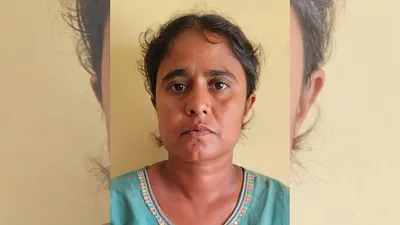
They also removed and stole 39 grams of gold jewellery from Sushilamma’s body.
Bengaluru: The Bengaluru South district police have arrested a woman and her boyfriend for allegedly murdering a 75-year-old woman over a Rs 20,000 loan, officials said on Wednesday.
The accused have been identified as Girija, 36, and her boyfriend Mahesh, 42. They were arrested for the murder of Sushilamma, a resident of Sangabasavanadoddi.
According to the police, Sushilamma visited Girija’s house on the afternoon of June 15 to discuss the Rs 20,000 loan she had extended to her.
Police said Girija had also failed to pay the Rs 600 interest due for June. When Sushilamma questioned her about it, an argument broke out.
During the altercation, Girija allegedly strangled Sushilamma to death and informed Mahesh about the incident.
Police said Mahesh arrived at Girija’s house, and the two packed the body in a gunny bag before dumping it near a railway track on the outskirts of the village.
They also removed and stole 39 grams of gold jewellery from Sushilamma’s body.
The ornaments were recovered following their arrest.
When Sushilamma failed to return home, her husband and son began searching for her and filed a missing person’s complaint. Police said Girija even joined the search efforts to avoid suspicion.
Five days later, Sushilamma’s body was found near the railway track. After identifying the body, her son filed a complaint expressing suspicion over her death, noting that the gold ornaments she had been wearing were missing.
Based on the investigation, police tracked down Girija and Mahesh, arrested them, and booked them under Section 103 of the Bharatiya Nyaya Sanhita (BNS) for murder. Further investigation is underway.
2026.7.1 Woman paraded semi-naked over alleged affair in Jharkhand; seven booked
According to police, there had been a rift between the woman and her husband, due to which they had been living separately.
RANCHI: In a shocking incident, a woman was paraded in a semi-naked state through a village over an alleged extramarital relationship. Police have registered an FIR against seven named accused and more than 40 unidentified persons, while an investigation is underway.
According to reports, the incident took place on June 26, when a man allegedly caught his wife in a compromising position with another man from Sahibganj district.
Subsequently, the woman’s husband and others allegedly assaulted the woman and her alleged lover.
Within minutes, several villagers gathered at the spot and surrounded both the man and the woman. The mob allegedly stripped them partially naked, forced them to wear garlands made of shoes and paraded them through the village.
While some people allegedly beat the couple, others recorded videos of the incident.
Police came to know about the incident only after videos of it went viral on social media. Upon receiving the information, a police team reached the village, pacified the crowd, rescued the couple and brought them to the police station. They were subsequently taken to a hospital for medical treatment.
Based on the victim’s statement, an FIR has been registered at Amrapara Police Station, naming five individuals—including the victim’s husband—as accused, along with 30 to 40 unidentified persons.
According to police, there had been a rift between the woman and her husband, due to which they had been living separately. Police said the woman and the man were allegedly targeted by villagers over an alleged consensual relationship.
“Recently, the husband caught his wife with her alleged lover and assaulted them. Raids are being conducted at several locations to arrest the accused. The victim and the man involved have been placed under police protection,” said Anup Roshan Bhengra, officer-in-charge of Amrapara Police Station. He added that the matter is being thoroughly investigated.
According to police, the man is also reportedly married and is a resident of Borio block in the neighbouring Sahibganj district.
Police are also examining the viral videos circulating on social media to identify those involved in the incident, as well as to ascertain the role of those who recorded and circulated the footage.
Meanwhile, the role of local community leaders is also under scrutiny. Village mukhiya Sahebjan Kisku condemned the incident, terming it “highly reprehensible”, and demanded strict legal action against all those responsible.
Confirming that an FIR has been been registered, Maheshpur SDPO Vijay Kumar said raids are being conducted to track down the remaining accused. He also urged people to refrain from sharing objectionable videos related to the incident on social media, warning that anyone found recording or circulating such content would face legal action.
发表回复